Transforming Accounting Education through Engagement
In the realm of business education, accounting holds a reputation for being structured and detail-oriented. However, as the landscape of learning evolves, so do the methods required to engage today’s students. In a recent episode of The Experiential Edge, host Trevor Finch and his guest, Bobbie Jo Duffy, the accounting technology learning manager at Holland College, discuss the transformative power of experiential learning in accounting education. This blog post explores their conversation, highlighting key arguments and examples that demonstrate why active learning is essential for modern accounting students.
The Shift in Student Learning Preferences
In recent years, accounting education has faced challenges in keeping students engaged. Traditional methods, such as lectures and problem sets, often fail to resonate with students who thrive on interaction and practical application. According to Finch, the question isn’t whether standards in accounting education should change, but rather how to help students meet them effectively.
Duffy emphasizes that while accounting requires precision, it also demands confidence, judgment, and the ability to connect numbers to real-world decisions. Experiential learning provides a pathway for students to move beyond rote memorization, allowing them to apply accounting concepts in context. This shift from passive to active learning not only enhances engagement but also fosters essential skills that students will need in their professional lives.
The Role of Gamification in Learning
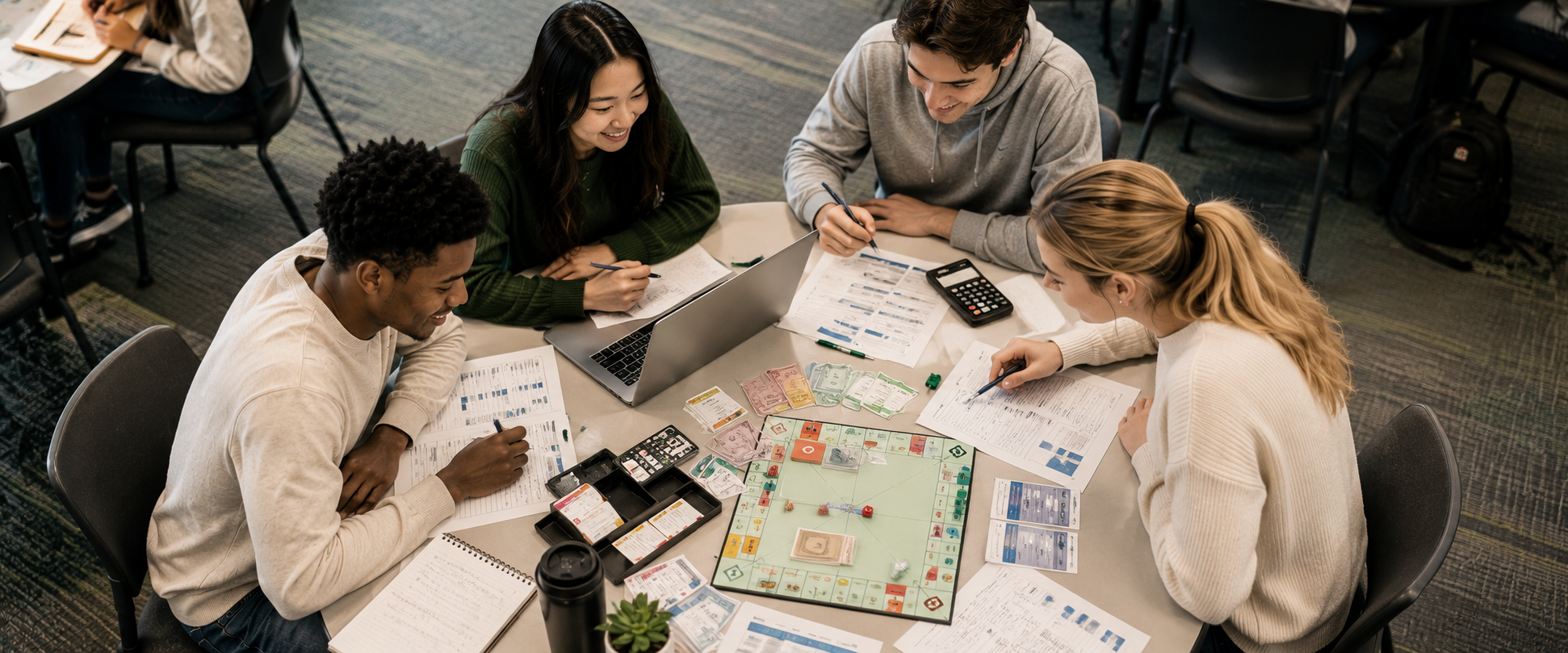
One of the standout strategies discussed during the episode is the use of gamification to make accounting education more engaging. Duffy shares her innovative approach of integrating Monopoly into her lessons. In this adapted version of the classic board game, students simulate running their own businesses. They start with a set amount of money, make journal entries for transactions, and ultimately prepare financial statements based on their gameplay.
This method transforms learning into a fun and interactive experience, filled with laughter and competition. Duffy notes that students often request to repeat this activity, showing the effectiveness of gamified learning in increasing student interest and retention of accounting concepts. The social interaction and camaraderie that arise during these sessions further enhance the learning experience, making it memorable and impactful.
Addressing Soft Skills and Confidence
Beyond technical accounting skills, the modern workplace demands strong soft skills, including communication and collaboration. Duffy highlights the importance of integrating these skills into her teaching. By creating an environment where students are encouraged to speak up, work in teams, and engage in discussions, she prepares them for the realities of the workforce.
Many students, especially those drawn to accounting, may be introverted and hesitant to participate in group settings. Duffy’s approach helps to build their confidence, which is crucial for success in their future careers. Ability to articulate thoughts clearly and collaborate effectively is just as important as mastering accounting principles, and experiential learning bridges this gap.
The Impact of COVID-19 on Student Engagement
Undoubtedly, the COVID-19 pandemic has brought about significant changes in student behavior and learning preferences. Duffy describes how students have become less socially inclined and more accustomed to online learning. This shift poses a challenge for instructors seeking to foster engagement and collaboration in the classroom.
To combat this, Duffy has adapted her teaching methods, offering a mix of online and in-person activities that promote social interaction while respecting students’ comfort levels. By incorporating experiential learning techniques, she aims to strengthen students’ social skills and prepare them for the evolving demands of the accounting profession.
Conclusion
The conversation underscores the importance of experiential learning in accounting education. By shifting away from traditional teaching methods and embracing active, engaging techniques, educators can better prepare students for the complexities of the modern workforce. Gamification, soft skills development, and adapting to changing student needs are all critical components of this transformative approach.
Educators must continue to explore innovative methods, ensuring that students not only understand accounting principles but also develop the skills necessary for success in their careers. The goal is to create a learning environment that is both fun and effective, fostering a new generation of confident, capable accountants.