Boosting Domestic Student Recruitment
In the competitive landscape of higher education, attracting domestic students is more crucial than ever. With shifting international enrollment patterns and a growing demand for quality education, institutions must rethink their recruitment strategies. This blog post explores how experiential learning can serve as a powerful tool in attracting and retaining domestic students, built on insights from educators actively engaged in this process.
Understanding the Need for Domestic Student Recruitment
In recent years, educational institutions have faced a myriad of challenges in student recruitment. Policy shifts and competition make domestic student recruitment vital. As Trevor Finch, host of the Experiential Edge podcast, notes, “Domestic recruitment is not just a baseline; it’s a lifeline.” In other words, attracting local students is crucial for colleges to ensure financial stability and a diverse learning environment.
The Role of Experiential Learning in Recruitment
Why Experiential Learning Matters
Experiential learning offers students hands-on opportunities to apply theoretical knowledge in real-world settings. This approach not only enhances the learning experience but also serves as a compelling recruitment tool. By showcasing the practical applications of their programs, institutions can demonstrate the value of education to prospective students. As educators, Barb Bringleson and Ben Oliver from the School of Business at Sault College emphasize, students seek proof of education’s value: how and what they learn.
Strategies for Implementing Experiential Learning in Recruitment
✨ Engaging High School Students
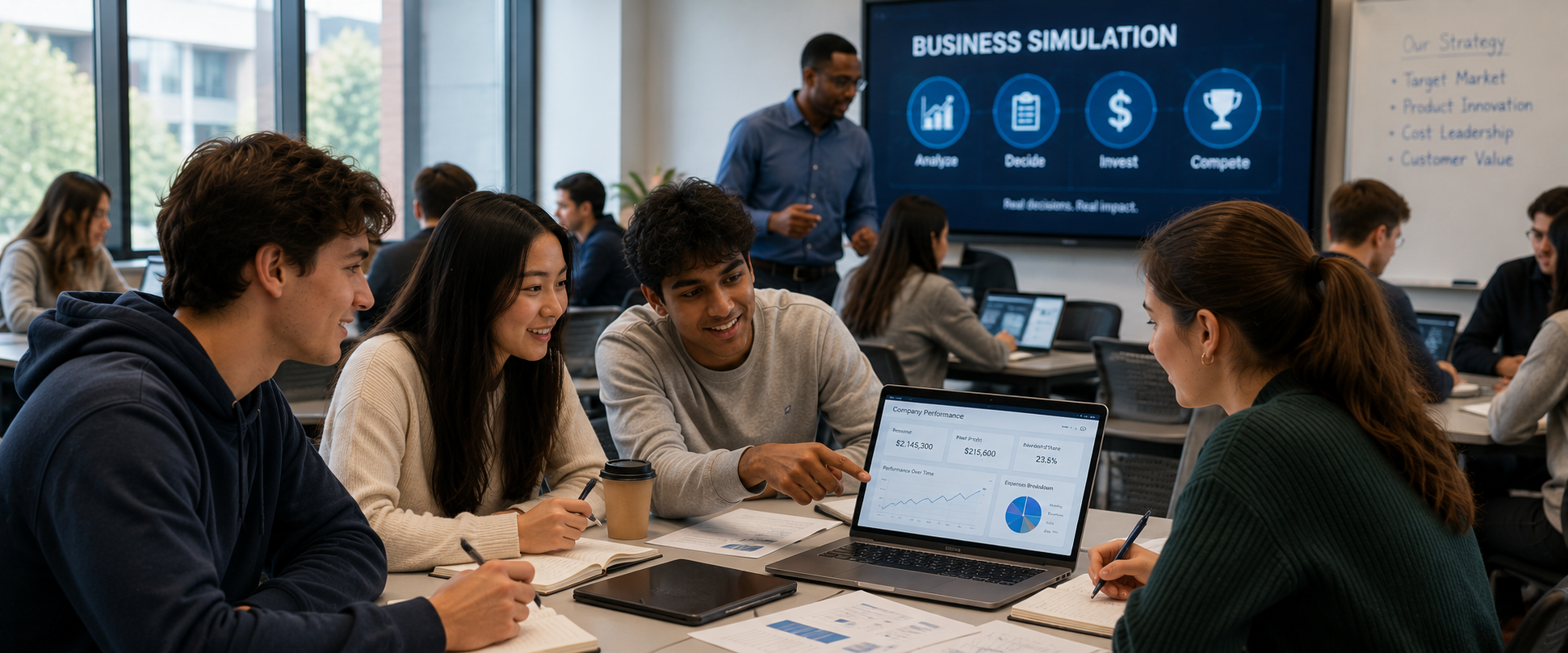
Educators can bridge the gap between high school students and college programs by introducing experiential learning tools, such as simulations. By conducting mini-simulations in high schools, colleges can give students a taste of what they can expect in a college setting. This not only familiarizes them with the curriculum but also allows them to engage with faculty in a dynamic environment.
✨ Creating Interactive Learning Environments
Using technology and interactive tools, such as Praxair simulations, educators can create engaging learning experiences. Barb and Ben successfully simulated these in high school, enabling fun, competitive teamwork and strategic decisions.
✨ Building Relationships with High School Instructors
Establishing trust with high school teachers is crucial for effective recruitment. By collaborating with educators and demonstrating the benefits of experiential learning, colleges can create a strong connection with potential students. As Barb noted, once high school students see the value of these simulations, they become more inclined to consider the college for their education.
The Impact of Experiential Learning on Student Engagement
Experiential learning not only attracts students but also significantly impacts their engagement levels. When students are actively involved in the learning process, they tend to retain information better and develop critical thinking skills. This active involvement fosters a positive learning environment, encouraging students to take ownership of their education. Barb and Ben have observed that students often express their excitement and understanding of concepts after participating in simulations, highlighting the effectiveness of this approach.
💡Key Takeaways
- Prioritize Experiential Learning: Colleges should integrate experiential learning into their curriculum to enhance student engagement and attract prospective students.
- Engage Early: Introducing high school students to college-level experiences can set the foundation for a smooth transition into higher education.
- Foster Relationships: Building trust with high school educators is essential for successful recruitment efforts.
Conclusion
As the landscape of higher education continues to evolve, institutions must adapt their recruitment strategies to meet the changing demands of students. By embracing experiential learning, colleges can not only attract domestic students but also foster a more engaging and successful educational experience. If you’re interested in learning more about how experiential learning can transform recruitment efforts, watch the full conversation on the Experiential Edge podcast.