Experiential Learning, On Campus
A Visit to Ottawa
Last week, Danica from the Praxar team spent time in Ottawa visiting faculty and campuses at the University of Ottawa, Carleton University, and Algonquin College. The goal was simple: connect with instructors, see learning spaces firsthand, and better understand how simulations fit into broader teaching ecosystems.
One highlight of the trip was a visit to Algonquin College with Patrick Charlton, who teaches Sales and Marketing courses and currently uses Praxar’s Video Game simulation. Patrick shared how his students move seamlessly between physical and virtual learning environments.
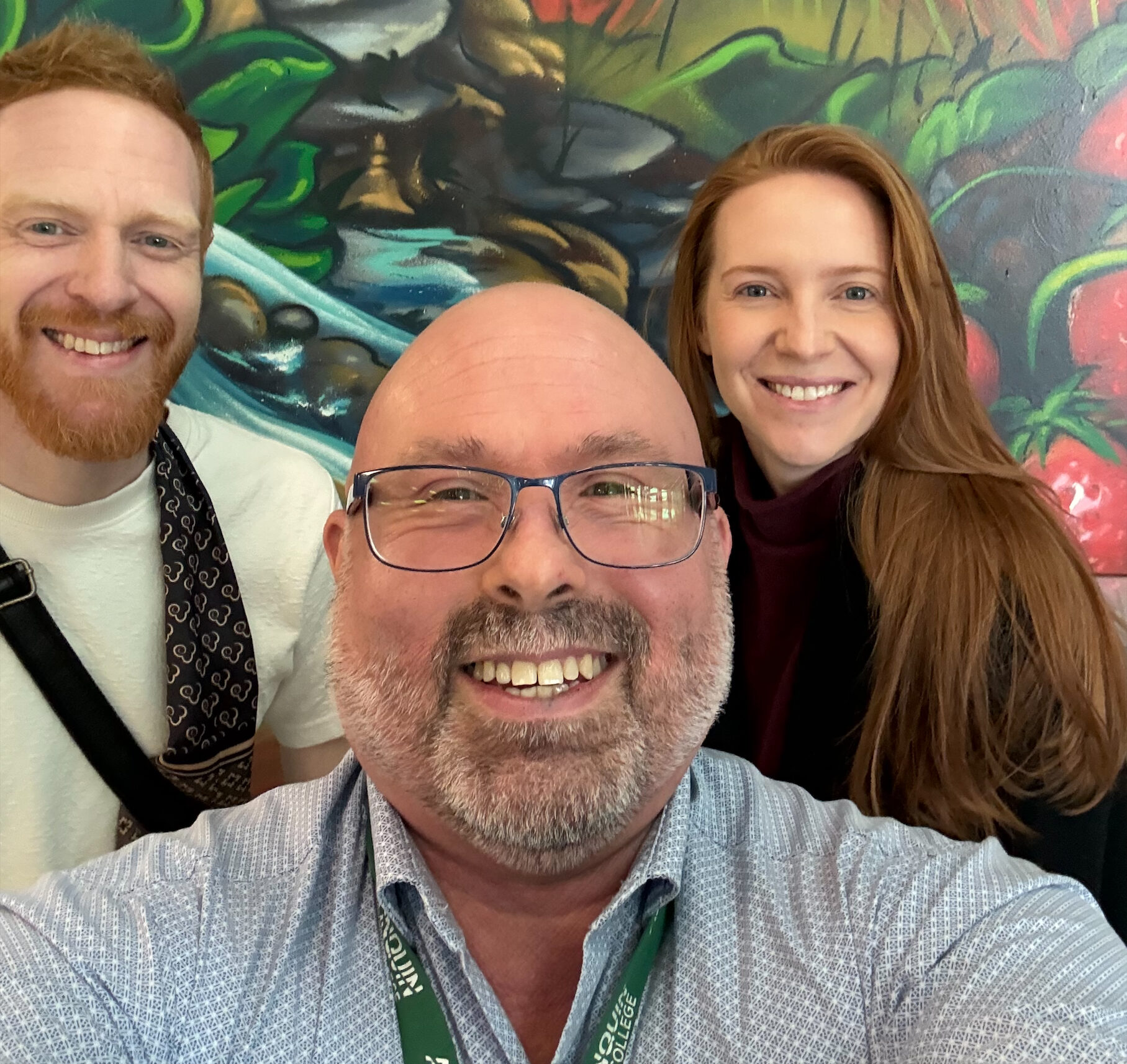
Engaged teachers and motivated students
The experience begins in Algonquin’s Incubator Room, followed by a guided tour of the DARE Makerspace, where students see 3D printers, laser cutters, and other tools in action. From there, teams take on a hands-on challenge: designing a limited-edition video game keychain, similar to the types of exclusive items used in real-world pre-order campaigns. Students then reflect on how exclusivity, promotion, and product strategy influence marketing decisions, bringing the simulation concepts to life in a tangible way.
During the visit, Danica also met with Sean Howe, who has been using Praxar’s Marketing simulation since 2021. A highly hands-on instructor, Sean works closely with both his students and the platform itself. His insights into how the simulation fits within the course as a whole — along with ongoing student and instructor feedback — play an important role in helping us stay aligned with the evolving needs of our users and continue delivering meaningful, well-supported learning experiences.
Later in the visit, Matthew Jerabek joined to share more of the campus, finishing the day with lunch at Restaurant International, the college’s student-run dining establishment, where culinary and hospitality students gain hands-on experience as part of their program.
Visits like these reinforce what we see time and again: simulations are most powerful when they’re part of a larger experiential learning ecosystem. Whether in a makerspace, an incubator, or the classroom, learning by doing is what truly resonates with students — and we’re grateful to work alongside faculty who make that possible.
💬 Have you ever considered using a simulation in one of your courses? Join the conversation below!